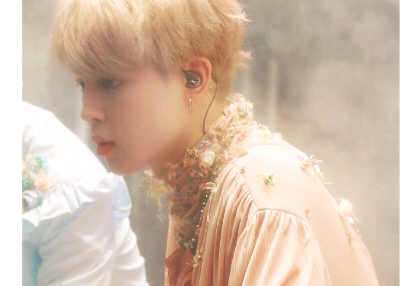
Comic-Con, Containment in Motion
Lou — Pre-Emption, Not Defense
Lou never treated threats as fires. Fires were loud. Public. Containable with spectacle.
This wasn’t that.
What was forming around Comic-Con was quieter: leverage without fingerprints. A coordinated suggestion that visibility could be mismanaged if Claire didn’t align. No ultimatums. Just the implication that chaos happened to people who misread timing.
So Lou didn’t push back.
She widened the frame.
First move: diffusion.
Comic-Con wasn’t one room—it was a city of rooms, cameras, fandoms, schedules layered on top of each other. If pressure wanted a single focal point, Lou would give it ten.
Panels reshuffled.
Arrival times staggered.
Security increased without looking increased.
And then Lou did something that looked unrelated.
She made a call to someone who wasn’t obligated to show up.
Someone whose contract didn’t require presence.
Someone whose reputation was discipline, restraint—and occasional left-field instinct.
Je-Min.
Je-Min — The Left-of-Center Variable
Je-Min had only done a voiceover. No face. No poster placement. His obligation ended cleanly at the booth recording months ago.
Which meant his appearance would mean one thing only:
Choice.
He arrived in New York without announcement. No press. No entourage in the traditional sense.
The disguise wasn’t theatrical—it was practical irony.
Neutral-toned hoodie.
Baseball cap pulled low.
Glasses that looked generic enough to be forgettable.
The real misdirection was the security.
Four men. Similar height. Similar build. Same muted streetwear palette. No earpieces visible. No formation that screamed VIP.
They looked like fans who’d grown up and gotten serious jobs.
They moved like professionals.
The trick wasn’t hiding Je-Min.
It was making him indistinguishable from the people meant to protect him.
Inside the convention center, the effect was immediate but subtle.
Energy shifted—not spiked.
Fans sensed something, not someone.
A ripple of excitement that didn’t know where to land.
Lou watched the feeds from a secondary room, lips pressed lightly together.
Good, she thought.
Now the attention has competition.
Fan Meeting, Recalibration (corrected names)
The lights were brighter than the panels.
Not aggressive—celebratory. White flashes ricocheting off polished surfaces, camera shutters syncing like a second heartbeat in the room. Claire registered it all without letting it settle.
Her boots grounded her.
Leather, sculpted, almost architectural—bionic in silhouette. Not armor exactly, but intention made visible. She could feel the weight of them through the stage floor, a reminder that she was here in a body, not just a headline.
She took her seat.
Imogen to her left—warm, sharp-eyed, already smiling like she understood the room as a living thing. Lucas just beyond, posture loose, grin ready. On her right, Strike—immaculate, styled within an inch of spectacle, comfortable with attention the way some people were comfortable with heat.
Behind and around them: the gatekeepers. Dominic. Uriel. The twins, seated slightly back, shoulders angled inward—not from fear, but from language. English wasn’t their first instinct. Their accents made them cautious. Their silence wasn’t absence; it was watchfulness.
Claire let the noise wash over her.
Applause swelled, crested, softened. Fans waving. Signs lifted. Phones everywhere.
She felt the recalibration happen quietly.
Not relief.
Alignment.
This wasn’t the room the executives had imagined. Too many bodies. Too much affection. Too much unpredictability to funnel into a single narrative.
Imogen leaned in, stage mic catching her voice easily.
“Okay, before anyone asks anything serious, I need to know—who coordinated these outfits?”
Laughter rippled.
Lucas lifted his mic.
“It wasn’t me. I showed up and was told ‘stand here and look convincing.’”
Strike smiled, lazy, magnetic.
“You always look convincing.”
“Dangerous compliment,” Lucas shot back. “From you.”
More laughter. The kind that loosened shoulders.
Claire watched the reporters at the edges recalibrate, pens hovering. This wasn’t defensive banter. It was misdirection through warmth.
One of the twins leaned toward Dominic, murmured something in their shared language. Dominic laughed softly, translated just enough into his mic.
“They said the lights make us all look like action figures,” he said. “They approve.”
The crowd reacted immediately—cheers, claps, the simple joy of being let in on something human.
Claire felt it then: the pressure slipping.
She hadn’t realized how much she’d been braced until her shoulders dropped a fraction.
A fan question came in—about collaboration, about chemistry, about working together—carefully phrased, testing.
Strike answered first, smooth.
“Chemistry isn’t something you manufacture. It’s something you either respect or ruin.”
Lucas nodded.
“And if you’re smart, you don’t rush it.”
Imogen glanced at Claire, then added lightly,
“Also helps when you like each other.”
The room laughed again. The question dissolved without ever becoming a trap.
Claire spoke only once in that stretch.
“When people work well together,” she said, voice calm, steady,
“it’s usually because they’re allowed to be themselves.”
No emphasis. No defense.
Just truth placed gently on the table.
She felt the shift ripple outward.
And then—without announcement, without spectacle—the air changed.
Not louder.
Heavier.
Claire didn’t turn right away. She didn’t need to.
Je-Min.
He entered from the side, not the back. No pause for cameras. No wave. Just presence moving through space with unhurried certainty.
Authority without demand.
He wore nothing theatrical. Clean lines. Neutral tones. The kind of outfit that refused interpretation. His security—if anyone could even call them that—blended so completely they read as coincidence.
The room noticed before it understood.
Applause surged—not explosive, but reverent. Like the crowd had collectively decided to stand straighter.
Je-min inclined his head once. Not to the audience—to the stage.
Permission acknowledged. Not taken.
Claire felt something inside her settle fully.
This was what recalibration looked like when it worked.
Je-min didn’t take a seat. He stood at the edge, mic offered, accepted only after a brief pause.
“I wasn’t scheduled,” he said simply.
The crowd laughed, soft and delighted.
“I wanted to see people,” he continued. “Not coverage. People.”
A beat.
“And I wanted to remind everyone that showing up—when you’re not required to—still matters.”
No names.
No sides taken.
The implication landed anyway.
Je-min stepped back, returning the mic. No linger. No encore.
As he moved away, the room exhaled together.
Claire caught Imogen’s eye. A flicker of something like relief passed between them.
Strike leaned slightly closer to Claire, voice low, private despite the noise.
“That,” he murmured, “was surgical.”
Claire didn’t smile.
She didn’t need to.
She looked out at the fans—faces open, joyful, unburdened by the machinations happening several floors above their heads.
For the first time since LA, she wasn’t thinking about what she was refusing.
She was thinking about what she was holding.
And she knew—without needing anyone to confirm it—
The pressure hadn’t disappeared.
But it had missed its moment.
And timing, she’d learned, was everything.
Last-Minute Energy
Lou shut the door and leaned back against it, arms folded—not guarding, just listening.
The room had loosened.
Phones were out, but no one looked alarmed. This wasn’t damage control. It was recalculation with better weather.
“Okay,” Lou said, finally. “Update.”
Blue spoke first. “Permits are through. Mayor’s office is hosting. It’s streetwear—open-air. Times Square sections blocked, but not fully closed.”
Dominic lifted his brows. “So… chaos.”
“Curated chaos,” Blue corrected. “Broadcasted. Interactive. People don’t sit—they move.”
Uriel smiled faintly. “A parade.”
“That’s the word,” Lou said. “A fashion parade. Not a runway. Not a show. No velvet rope.”
When the City Decides
It wasn’t announced like an event.
There was no countdown. No press release with bolded names.
It started as a city notice.
A few blocks of Times Square would be partially sectioned off for filming. Rolling closures. Foot traffic redirected, not stopped. The language was deliberately boring—municipal, procedural, easy to scroll past.
Which was exactly the point.
Lou read it once, then twice.
“Okay,” she said finally. “They’re doing it.”
Dominic glanced over her shoulder. “That’s it?”
“That’s all it needs to be,” Lou replied. “Anything louder would turn it into a destination.”
Blue checked the logistics feed. “Cameras embedded. Not obvious. No stage permits.”
“So no performance?” Imogen asked.
Lou looked up. “No performance.”
Lucas frowned slightly. “Then what are we doing?”
Lou allowed herself a small pause before answering.
“Moving.”
Rehearsals — Or Something Like Them
Max didn’t call it rehearsal.
He called it alignment.
The space he booked wasn’t a studio—just a large, open room with multiple exits and no mirrors. People drifted in and out, grabbing coffee, talking, sitting on the floor.
Imogen crossed her arms, watching bodies move loosely across the space. “There has to be something we’re doing that doesn’t make us look ridiculous.”
Max grinned, already halfway through adjusting the music. “You’re not dancing.”
“Then what are we doing?” Lucas asked.
“Walking,” Max said. “Stopping. Turning. Getting distracted. Like people do.”
The music came on—not rhythmic enough to count, not ambient enough to ignore.
People crossed paths. Zigzagged. Paused to talk. Some doubled back. Others peeled off and rejoined later.
It didn’t look choreographed.
It looked inevitable.
Claire watched it take shape slowly. No center. No leader. Just flow.
The clothes helped—pared-back streetwear, layers meant to be lived in, not displayed. Inside the jackets, stitched simply:
SELENZA
A line that didn’t announce itself. It just existed.
Claire’s attention drifted to a small tray near the edge of the room.
Jewellery.
Minimal. Structural. Silver with a quiet weight to it. One piece caught her eye—not because it was beautiful, but because it felt familiar. Balanced. Grounded.
Max noticed without comment.
“That holds,” he said simply. “Same idea as the movement.”
Claire nodded. She didn’t say what it reminded her of. She didn’t need to.
Lou checked in briefly with the cameraman—embedded angles, crowd-level shots, nothing elevated.
“No faces unless they want to be seen,” Lou said. “This isn’t about capture. It’s about texture.”
By the time they wrapped, no one was buzzing with nerves.
They were just… ready.
The Street — When It Starts
The music didn’t drop.
It arrived.
Someone walking stopped walking. Someone else turned around. Two people crossed paths and didn’t apologize because it felt unnecessary.
Then more.
Movement spread sideways, not forward. A zigzag of bodies. People being people.
Cameras were already there, but they didn’t dominate. Mounted low. Embedded. Watching instead of directing.
Times Square didn’t pause—it adapted.
Pedestrians slowed. Some joined without realizing they’d joined. Others stepped aside and watched, smiling, unsure why.
The clothes moved naturally through it all. Jackets catching light. Jewellery glinting once, then disappearing again.
No one clapped.
No one counted beats.
It wasn’t a flash mob in the old sense.
It was a moment where the city forgot to separate itself into audience and act.
Claire walked with the group, not marked, not framed. Just present.
She felt the ground through her boots. Felt the rhythm of traffic being gently redirected. Felt the strange calm that came when nothing was being forced.
Max appeared briefly beside her, then vanished again.
Lou watched from a distance, already mapping the next phase.
Blue tracked crowd density—not alarmed, just aware.
The Transition — Street to Structure
Without announcement, the movement guided itself forward.
The zigzag straightened. The noise softened.
They arrived at the steps of an iconic New York building—old stone, wide entry, the kind of place that had hosted conversations long before it hosted events.
Tables were set—not lavish, just intentional. Seating arranged to invite pause.
This was where the charity side took shape.
No speeches yet. Just food arriving. Glasses being filled. People settling into chairs like they’d walked into a dinner they hadn’t planned but somehow belonged at.
Guest singers rotated in quietly. No introduction. Just voices rising and falling, woven into the night.
Fashion conversations happened organically—at tables, between bites, without microphones.
“This feels… human,” someone said nearby.
“That’s new,” another replied.
Claire stood for a moment at the edge of it all, watching the street fade into something gentler.
Orbit
The street had softened into evening by the time the seating filled.
Candles replaced billboards. Voices lowered. The city didn’t disappear—it leaned back, letting the moment breathe.
Claire stood near the edge of the dinner space, glass in hand, watching everything happen without needing to touch it.
That was the sensation now.
Gravitation.
She felt Evan before she saw him.
Not a pull that demanded attention—just a subtle shift in the room’s balance. Necks turning, not toward him exactly, but toward the space he occupied. The same happened around her. Not staring. Just awareness. Like two planets acknowledging the same axis.
Her phone buzzed.
Evan:
I saw a clip.
You walked like you owned the city.
Claire smiled without looking down at the screen.
Claire:
That’s generous.
I was mostly trying not to trip.
A beat.
Evan:
You didn’t even hesitate.
She glanced up then—just once.
Across the room, Evan stood near one of the columns, jacket off, sleeves rolled, talking with someone she didn’t recognize. He didn’t look at her. Not yet.
Good.
Claire:
I did.
I just don’t advertise it.
Her phone vibrated again.
Evan:
Noted.
Drinks later?
She lifted her glass slightly, as if answering him in real time.
Claire:
If you can catch me.
The three maknaes had become their own quiet constellation.
Jalen nearby, low-key but magnetic. Je-Min not central, but anchoring a pocket of gravity that drew the elite without effort. Evan completing the field without claiming it.
People orbited them naturally. No crowding. No performances. Just attention adjusting its center.
Lou saw everything.
She stood near Max, posture relaxed but eyes tracking Lucid as a unit—Dominic, Uriel, the twins—each accounted for, each protected without feeling managed. Strike lingered for a moment, then peeled away smoothly, already shifting roles.
Claire watched him intercept Lucas with practiced ease.
“Come,” Strike said lightly, hand gesturing toward a small cluster of city and industry names. “You should meet people who pronounce your name correctly.”
Lucas laughed, relief clear, and followed.
Well played.
At the head of the space, Max was being toasted.
Lou spoke first—brief, precise, generous without flattery. She framed SELENZA as inevitable rather than lucky.
Then Max took the mic.
He didn’t thank people the way most did. He roasted himself gently, made a crack about last-minute permits, called New York “the only place that lets you fail loudly and succeed quietly.”
Laughter rolled through the tables.
“And to the people who trusted the movement,” Max added, lifting his glass, “you made this matter.”
Claire felt it then—that small, warm click in her chest.
Not pride.
Belonging.
She hadn’t been spotlighted. She hadn’t been paraded.
She’d been placed.
Her phone buzzed again.
Evan:
You look like you’re enjoying yourself.
She typed without looking.
Claire:
I am.
Don’t ruin it by hovering.
Evan:
Impossible.
I’m being very respectful.
She finally looked up again.
This time, Evan glanced back—brief, controlled, just long enough to acknowledge the game.
No lingering.
Promise made, not consumed.
Claire turned back to the room as applause rose for Max, glass raised, laughter warm.
Lou caught her eye across the space and gave the smallest nod.
All accounted for.
All moving correctly.
Claire let the night continue around her—music threading through conversation, fashion dissolving into generosity, power behaving itself for once.
Later, there would be drinks.
Later, there would be proximity.
For now, it was enough to stand exactly where she was—
Quietly chuffed,
perfectly placed,
watching a world move in orbits she’d helped set in motion.
Around her, the city cooled into evening. The energy settled. The long day finally found its shape.
SELENZA hadn’t interrupted New York.
It had moved with it—
long enough to be felt,
quiet enough to pass on.
Containment, With Care
Lou watched them without looking like she was watching.
That was the skill no one ever taught and everyone eventually learned the hard way: how to observe without pulling focus. How to see what mattered and let everything else believe it was safe.
Claire and Evan hadn’t touched.
That alone told her everything.
It wasn’t distance. It was discipline.
From the outside, it read as professionalism. Mutual respect. Two people in proximity who understood optics.
From the inside—Lou could feel the tension humming like a wire pulled tight between two posts.
Useful.
Not cruel. Just… useful for now.
She didn’t interfere. She never did when people were choosing correctly on their own.
What she did do was widen the space around them.
A meeting here.
A call there.
A seating adjustment that looked accidental.
Nothing that would register as separation—just enough movement to prevent collapse into something the press could photograph or misunderstand.
Evan noticed. He always did. He didn’t resist it.
That told her something important too.
Claire, for her part, carried the restraint well. No sharp edges. No longing leaking into her posture. She was learning when to be visible and when to be held by the system instead.
Lou approved.
Pressure was still present. That was unavoidable. It came in sideways now—emails phrased as congratulations, invitations dressed as favors, inquiries that pretended not to be asks.
Lou answered all of them with calm delay.
Timing was everything.
She clocked the fatigue settling into Evan—not emotional, but physical. The kind that came from vigilance without release. From wanting to reach for something and choosing not to.
She noted it. Filed it.
This couldn’t go on indefinitely.
Containment worked best when it was temporary.
By mid-afternoon, Lou had already carved out the shape of the next few days. Quiet pockets. No cameras. No expectations. No “accidental” run-ins.
Just absence.
Not disappearance. Absence with intention.
She’d tell them soon. Not yet.
They needed to get through the day cleanly first. To let the night finish cooling. To let the world believe nothing else was coming.
Lou glanced at Claire as she laughed softly at something Dominic said. The ease wasn’t forced. It was earned.
Then she looked at Evan—listening, attentive, hands steady, still holding himself back.
Yes, Lou thought.
They’ve done enough restraint for now.
Later—when the calls slowed, when the feeds moved on, when attention redirected itself to the next shiny thing—she would give them time.
A few days.
Off-grid enough to breathe.
Close enough to remember why they were choosing each other at all.
Not as escape.
As recalibration.
For now, Lou stayed exactly where she was—between them and the noise, between the present moment and the next demand.
Strategy wasn’t about denying people what they wanted.
It was about knowing when to let them have it—
so they could come back stronger, quieter, and impossible to rush.
And when Lou finally allowed herself a rare, private smile, it wasn’t because the plan was clever.
It was because it was humane.
And humane strategies, she knew, lasted the longest.
Lou doesn’t go.
She arranges it and disappears.
She frames it as:
“Three days. No expectations. No visitors.
After that, we regroup.”
She keeps them apart until they arrive there.
Then she lets go.
Because Montauk will do what she can’t.
Arrival — Montauk
The house sat back from the road, half-hidden by scrub grass and weathered fencing, as if it had learned over time not to announce itself.
Claire stepped out of the car and felt the cold immediately—October Atlantic cold, sharp but clean. The air smelled like salt and damp wood and something faintly metallic. End-of-season quiet. No music drifting from anywhere. No crowds. Just wind moving through tall grass like it had somewhere important to be.
This, she thought, was why Lou chose it.
The house wasn’t large in the way people bragged about. It was long, practical, built to hold people without arranging them. Grey shingles. Wide windows already fogging slightly from the temperature difference. A porch that had seen a lot of waiting.
Evan lifted his bag from the trunk without hurry. No urgency. No performative helpfulness. Just presence.
The others arrived in fragments.
Jalen first—hood up, hands in pockets, already relaxed in a way he hadn’t been in the city. Je-Min followed, quiet, observant, taking in the angles of the place like he was learning its temperament. Imogen stepped out last, pausing for a moment to look toward the water she could hear but not yet see.
“This is… perfect,” she said softly, almost to herself.
Claire felt something in her chest ease. Not relief. Permission.
Inside, the house breathed.
Wood floors worn smooth. A long table scarred with old use. A fireplace already stacked with logs, like someone had known they would arrive cold. The windows faced the ocean—not dramatically, not framed. It was just there, constant and unbothered.
No one rushed to choose rooms.
That told Claire everything she needed to know about the tone.
Evan set his bag down near the stairs and leaned lightly against the railing, watching people move through the space. He didn’t look at her directly, but she felt him clock where she went, how she paused at the window nearest the desk tucked into the corner.
Writing spot, she thought.
Je-Min wandered toward the back door and opened it, letting in a gust of salt air. He nodded once, approving.
“Good bones,” he said simply.
Jalen laughed quietly. “You say that about places and people.”
“Because it’s true about both,” Je-Min replied.
Imogen drifted toward Claire, lowering her voice. “Thank you for letting me come.”
Claire shook her head. “You belong here.”
And meant it—not as kindness, but as fact.
Someone started a fire. Not ceremoniously. Just because it was cold and that’s what people did. The sound of it catching shifted the room into something warmer, slower.
Claire set her bag down last.
She stood still for a moment, letting the house settle around them—the quiet, the absence of signal, the way no one was trying to fill the space with plans.
Through the window, the ocean moved steadily, unconcerned with their arrival.
Evan finally crossed the room then, stopping beside her—not touching, not crowding. Just close enough to share the view.
“Three days,” he said quietly.
“Three days,” she echoed.
No promises layered into it. No expectations pressed between the words.
Just time.
Outside, the wind picked up, rattling the porch lightly, as if testing whether the house would hold.
It did.
And as Claire turned toward the desk again, already feeling sentences forming somewhere beneath the noise she’d carried with her, she knew this wasn’t escape.
It was recalibration.
The kind that only happened when the world finally stopped asking—and waited.
Evening — The Table
Dinner happened without being announced.
Someone washed their hands. Someone else set plates down like it was muscle memory. The kitchen light stayed low, warm, practical. No one reached for music. The sound of the wind outside was enough.
They ate simply—bread torn by hand, something hot passed from one person to the next, steam rising and fading. The long table held them without assigning hierarchy. Elbows brushed. Glasses clinked softly. Conversation came and went in small waves.
This was how Lou had meant it to be.
Evan noticed it first—not the quiet, but the way it held.
The front door opened gently.
Not late. Just… timed.
No one startled. No one stood. The presence entered the room the way some people entered a frame—changing the composition without demanding focus.
She removed her coat slowly, folding it over one arm. Mid-sixties, perhaps. Hair silvered not by age but by attention. Her posture was unforced, precise. Not careful—considerate.
Je-Min rose instinctively, crossing the room to greet her. Not hurried. Respectful.
“You made it,” he said.
She inclined her head once. “The road was kind.”
That was all.
Introductions were brief. Names exchanged softly, without résumé or reverence. She took the empty seat at the far side of the table, exactly where no one had been sitting—where the room seemed to have been waiting.
She did not ask questions.
She observed.
She watched how Evan poured water for the others before himself. How Claire listened more than she spoke, hands relaxed, eyes present. How Jalen leaned back, finally unguarded. How Imogen paused before speaking, measuring tone rather than content.
The director—composer—did not interrupt.
At one point, she reached for the bread basket and slid it toward Claire without comment. The gesture landed like a cue, not an instruction.
Conversation resumed naturally.
They talked about the ocean. About the way the wind sounded different at night. About a café someone remembered from years ago that probably no longer existed.
Nothing important.
Everything essential.
When someone mentioned music—only in passing—the woman lifted her eyes.
“Sound,” she said quietly, “is space that remembers being touched.”
No elaboration. No expectation that anyone respond.
Evan felt it settle into him anyway, like a tuning fork struck somewhere just out of sight.
Later, when the plates were cleared and the fire had softened to embers, she stood without ceremony.
“I will sleep,” she said. “Tomorrow listens better.”
Je-Min nodded. No one argued.
As she left the room, the quiet shifted—not emptied, but steadied.
Claire realized then what the woman had done.
Nothing.
And in doing nothing, she had set the rhythm.
Evan watched the table after she was gone—the way people lingered without checking the time, the way silence no longer felt like something to fill.
Across from him, Claire met his eyes briefly.
No words passed.
None were needed.
Outside, the ocean kept its own counsel.
Late Night — The Beach
The house quieted by degrees.
Jalen disappeared first, claiming the room with the slanted window and the heavy chair, music slipped into his headphones. He waved once, already halfway elsewhere heading for the beach.
Je-Min lingered long enough to refill his glass, then nodded toward the hall.
“I’ll read,” he said simply. “The tide sounds right tonight.”
No one asked what that meant. They never did.
The rest of them pulled on coats and scarves, boots by the door, the ritual unspoken and easy. The air outside was colder now, sharper, but clean. The kind that woke your skin up.
They walked down toward the beach together, not in a line, not in a cluster—just moving.
The sand was firm underfoot, the tide low, the moon thin and bright enough to cut silver across the water. Waves broke against the rock walls further down, steady and patient.
Imogen laughed first, surprised by it. “I forgot how loud the ocean is when there’s nothing else.”
“That’s because cities lie to you,” Evan said, tugging his collar higher. “They pretend silence is empty.”
Claire smiled at that, hands tucked into her sleeves. The cold had turned her breath visible, each exhale a soft cloud that vanished almost immediately.
They reached the rocks and climbed carefully, finding places to sit where the wind broke just enough to make conversation easy. Someone bumped a shoulder, intentionally this time. Someone else laughed and didn’t apologize.
“It was… grounding,” Imogen said after a while, gaze still on the water. “Meeting her. She doesn’t say much, but you feel heard anyway.”
Je-Min’s absence made the comment lighter, freer. Evan nodded.
“She listens like she’s already answered the question in her head.”
Claire leaned back on her palms, looking up at the sky. “I liked that she didn’t ask what we were working on.”
“Or why we’re here,” Imogen added.
“Or what comes next,” Evan said.
They sat with that for a moment, the surf filling the space where ambition usually lived.
Then the laughter came back—easy, unexpected. A story about a misread cue. Someone nearly slipping on the rocks earlier. The shared relief of not being on.
Claire felt it then—the warmth underneath the layers, the strange intimacy of being somewhere that didn’t require explanation.
She caught Evan’s eye across the rocks. Not held. Just found.
He smiled, small and private, then looked back to the water.
They stayed out longer than they meant to. Long enough for the cold to settle into their bones in a way that felt earned. Long enough for the night to stop feeling like a pause and start feeling like a choice.
Eventually, they stood, brushing sand from coats, boots crunching softly as they made their way back.
Behind them, the ocean kept moving, unconcerned.
Ahead, the house glowed faintly, steady and patient—waiting for them to return exactly as they were.
Um, just the romance side of it as Evan takes her bags and puts them in his room, the shared space, and just the romantic side of them being in the moment.
Night — The Room
They came back quietly.
The house was dim now, lights low, the fire reduced to a patient glow. Floorboards creaked softly under boots damp with salt air. No one spoke much—there was no need to mark the transition from outside to in.
Evan reached for Claire’s bag without asking.
She noticed. She always did.
“Your room’s closer,” she said, almost out of habit.
He paused, then nodded once. “Then mine.”
No declaration. No implication spoken aloud. Just a choice made and accepted.
Upstairs, the hallway smelled faintly of wood and laundry detergent, the comforting neutrality of borrowed space. Evan opened the door and set her bag down beside his, careful, like he was placing something that mattered even if it pretended not to.
The room was simple. A bed. A chair by the window. A lamp already on, casting a soft amber pool across the floor. Outside, the ocean moved unseen but present, its sound threading through the walls.
Evan straightened, then hesitated—an old instinct checking itself.
“Is this okay?” he asked, quietly.
Claire didn’t answer right away. She stepped closer, unbuttoning her coat, letting it slide from her shoulders. The cold lingered on her skin.
“Yes,” she said. Not rushed. Certain.
The word settled between them.
Evan exhaled like he’d been holding something in all evening. He reached out, then stopped himself, waiting. When Claire leaned into him first, the contact was immediate and unguarded.
They didn’t kiss right away.
They stood there, foreheads touching, breathing each other in. The warmth of bodies finally allowed to close the distance they’d been measuring all day.
“You’re quieter here,” he murmured.
“So are you,” she replied.
His hand came up to her back, steady, familiar, not claiming—just anchoring. She rested her cheek against his shoulder, feeling the slow, reliable beat beneath it.
Time loosened.
Eventually, he pulled back just enough to look at her, really look—no cameras, no angles, no need to perform anything except honesty.
“I didn’t want to rush this,” he said.
Claire smiled, soft and knowing. “You didn’t.”
That was the romance of it—not urgency, not relief, but trust unfolding at its own pace.
They moved together then, shoes kicked off, bags forgotten. She sat on the edge of the bed while Evan turned down the lamp, leaving only enough light to keep the room gentle.
When they lay down, it was side by side, bodies aligned without demand. His arm found her waist. Her fingers traced the familiar line of his collarbone, grounding herself in something real.
Outside, the wind brushed the house like a hand passing over a shoulder.
Inside, they held each other—not like something fragile, but like something chosen.
And for the first time in days, neither of them was listening for the world to interrupt.
https://vt.tiktok.com/ZSauVhFmh/